

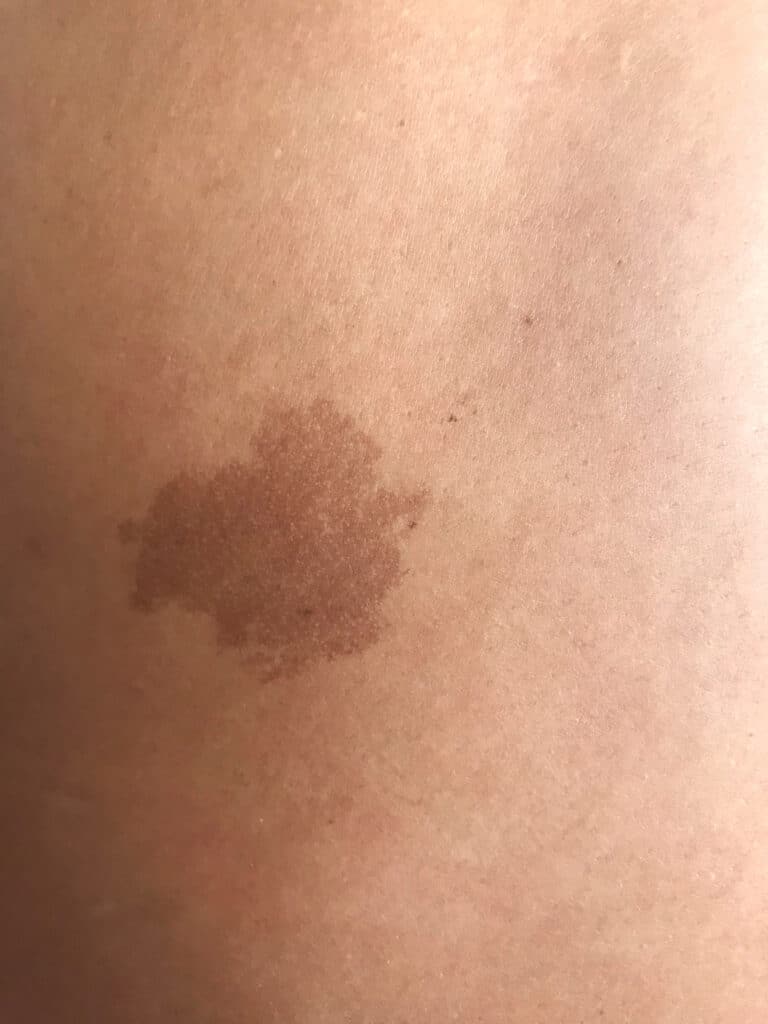
Medical tattooing places pigment in the skin to change the appearance of certain color differences. Depending on the area and your medical history, it may help camouflage a healed scar or recreate the appearance of an areola after breast reconstruction. It cannot erase a scar, change its physical texture or guarantee a perfect match with surrounding skin.
If you are exploring medical tattooing and scar camouflage in Sacramento, understanding both its possibilities and limitations can help you prepare for a consultation. Here are four reasons people consider it, along with important questions to ask before treatment.
1. A More Blended Appearance for Suitable Scars
Some people want to reduce the contrast between a healed scar and the skin around it. Carefully selected pigments may help a suitable area look more blended. The goal is an improvement in appearance, not an invisible scar or an exact color match in every setting.
Color and texture are different concerns. Tattoo pigment does not flatten a raised scar or fill a depression. If the shape, thickness or texture of a scar is your main concern, ask whether scar revision and other scar-improvement options would be more appropriate. A clinical assessment should come before deciding on camouflage.
2. An Alternative to Reapplying Cosmetic Camouflage
For suitable candidates, implanted pigment may reduce the need to cover an area with makeup each day. That can be an appealing practical benefit, but medical tattooing still requires care and planning.
Pigment can fade or change in appearance, and skin color can change over time. Touch-ups may be needed; there is no single maintenance schedule that fits everyone. Ask about the expected number of sessions, healing, aftercare and future costs. Permanent pigment also means removal can be difficult, so it is worth taking time with the decision.
3. More Choice in How You Present Yourself
Once a scar or pigment difference has been medically assessed, cosmetic camouflage is a personal choice. Some people seek camouflage because they would prefer an area to be less noticeable or want another option beyond daily makeup. Others decide not to treat it.
Your goals should guide the discussion. Ask to see healed results for concerns similar to yours, rather than relying only on photographs taken immediately after treatment. Improvements vary, and no procedure can promise confidence, emotional healing or a particular response from others.
4. Recreating the Appearance of an Areola After Reconstruction
Nipple and areola tattooing is one option some people consider after breast reconstruction. Pigment and shading can create the visual appearance of an areola and nipple. A three-dimensional-looking tattoo is still flat; it does not create physical nipple projection.
Memorial Sloan Kettering explains how nipple and areola tattooing works. Whether and when it is appropriate depends on healing, prior treatment and your reconstruction plan. Discuss timing with your treating team and confirm which services a prospective provider offers.
Who Should Get Medical Advice Before Tattooing?
Medical tattooing is not suitable for every scar or area of discoloration. A clinician should assess the skin, healing history and any underlying condition before treatment.
- Vitiligo needs particular caution. The American Academy of Dermatology warns that tattooing can trigger new vitiligo patches. Discuss alternatives and risks with a dermatologist rather than assuming camouflage is appropriate.
- Birthmarks, moles and changing or unexplained spots need assessment. The AAD advises keeping moles visible rather than covering them with tattoo ink, because ink can make skin changes harder to detect.
- Unhealed, inflamed or infected skin requires evaluation before any cosmetic treatment. Tell the provider about previous healing problems, keloids, allergies, medical conditions and medications.
The FDA’s tattoo and permanent makeup guidance describes risks including infection, allergic reactions and scarring. Ask about the provider’s training, infection-control procedures and what to do if a problem develops. A consultation should cover the potential benefits, limitations and alternatives, including no treatment.
Medical Tattooing FAQs
Does medical tattooing remove scars?
No. Camouflage pigment may reduce a color difference, but the scar remains. It does not smooth raised tissue or fill an indentation. Different treatments may be needed when texture is the concern.
How long does medical tattooing last?
Pigment is intended to remain in the skin, but its appearance can change. Fading, color changes and changing skin tone may lead to touch-ups. Discuss realistic maintenance expectations with your provider rather than relying on a guaranteed timeline.
Can medical tattooing cover vitiligo or a birthmark?
Do not assume either is suitable. Tattooing can trigger new vitiligo patches, and birthmarks or other skin spots need a diagnosis before cosmetic treatment is considered. Moles should remain visible for monitoring. Start with a dermatologist’s assessment.
What should I ask at a consultation?
Ask whether your concern is suitable for tattooing, who would perform it, what training they have and what healed results are realistic. Also discuss risks, alternatives, sessions, aftercare, costs and possible future touch-ups.
Discuss Medical Tattooing in Sacramento
To explore your options, contact Sacramento Aesthetic Surgery or call (916) 646-6869. The team can discuss your concern and clarify which services and providers are available. An individualized assessment is the first step toward deciding whether medical tattooing fits your goals.