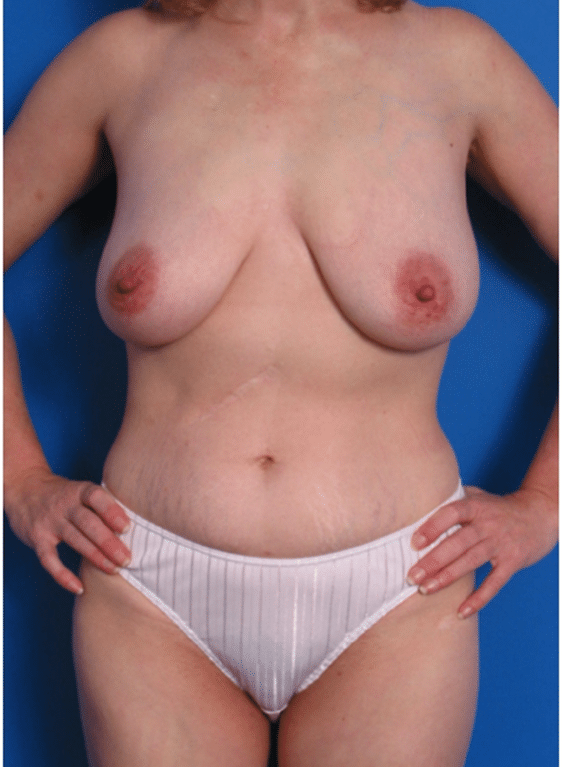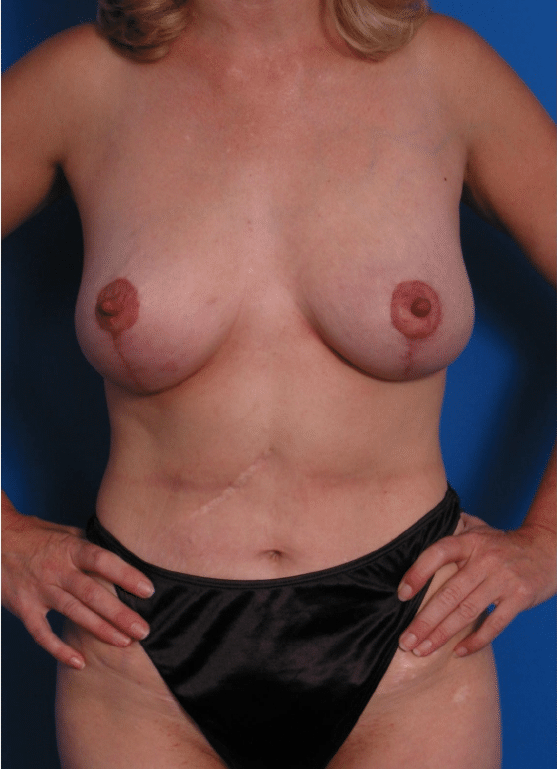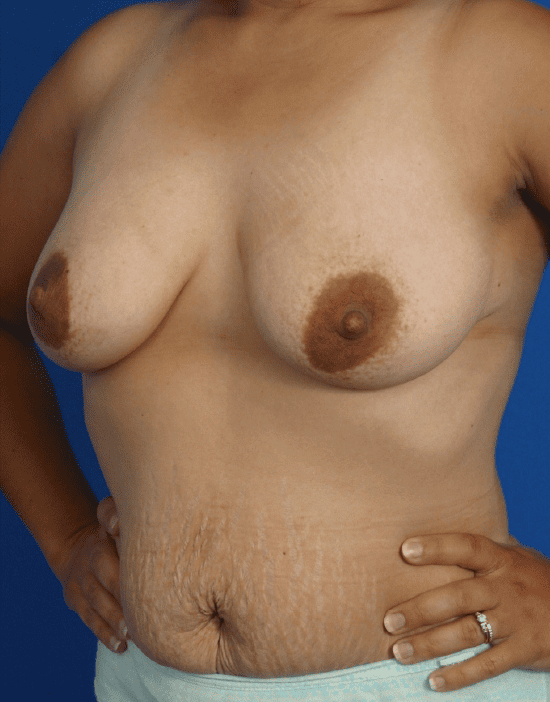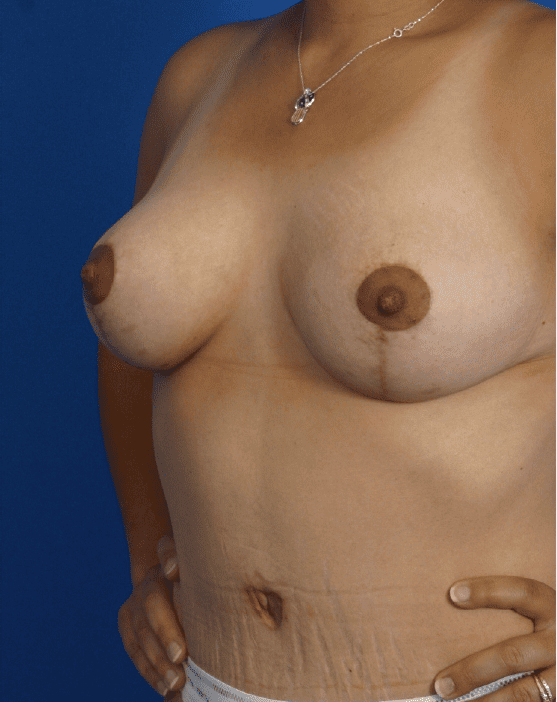
Post-Surgical Edema and Swelling After Plastic Surgery
Swelling after surgery is a common part of the body’s healing response. Also called post-surgical edema, swelling occurs as fluid collects in tissues affected by an operation. The amount and duration of swelling can vary depending on the procedure, the area treated, and the individual patient’s recovery.
Most post-operative swelling gradually improves as healing progresses, but patients often have questions about what is normal, how long swelling may last, and when increased swelling should be evaluated. Donald W. Hause, MD, FACS is a board-certified plastic surgeon in Sacramento who provides individualized recovery instructions following facial procedures, breast surgery, and body contouring procedures.
This guide explains why swelling occurs after plastic surgery, ways it may be managed during recovery, and signs that should prompt a patient to contact their surgical team.
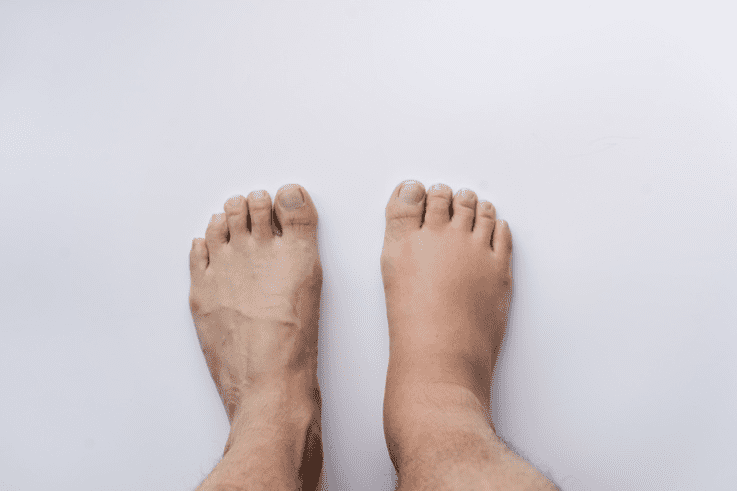
Is Swelling Normal After Surgery?
Yes. Some swelling is common after many surgical procedures and is part of the body’s normal response to tissue injury and healing. After plastic surgery, swelling may begin soon after the procedure and can increase during the first several days before gradually improving.
The amount of swelling varies from patient to patient. Factors such as the type of procedure, the number of areas treated, individual healing response, activity level, and adherence to post-operative instructions can all affect how much swelling develops and how quickly it resolves.
Patients undergoing procedures such as a tummy tuck, breast augmentation, or facelift may experience swelling in different areas and on different recovery timelines. Dr. Hause provides procedure-specific instructions so each patient knows what to expect during recovery.
How Long Does Swelling Last After Surgery?
Post-surgical swelling is often most noticeable during the first few days after a procedure and then gradually improves as the body heals. However, there is no single recovery timeline that applies to every patient or every type of plastic surgery.
Some swelling may improve noticeably within the first few weeks, while residual swelling can take longer to resolve. More extensive procedures, including those that involve significant tissue repositioning or multiple treatment areas, may produce swelling that persists longer than swelling from a less extensive procedure.
It is also important to distinguish between swelling that is gradually improving and swelling that suddenly increases or develops alongside other concerning symptoms. Patients should follow the recovery timeline and post-operative instructions provided by Dr. Hause and contact the office if their swelling does not seem consistent with what they were told to expect.
Why Are My Feet or Legs Swollen After Surgery?
Swelling in the feet, ankles, or legs can sometimes occur during recovery from surgery. Fluid may accumulate in the lower extremities as the body responds to surgery, and reduced activity during the early stages of recovery can also affect normal fluid movement and circulation.
Depending on the procedure, swelling may also appear away from the surgical site as fluid settles into surrounding or lower areas of the body. Following Dr. Hause’s instructions regarding movement, positioning, compression garments, and other recovery measures can help support a safe recovery.
New or worsening swelling in one leg should not automatically be assumed to be normal post-operative edema, particularly when accompanied by pain, tenderness, warmth, or redness. Patients experiencing unexpected or concerning changes should contact their surgical team promptly for guidance.
How to Reduce Swelling After Surgery
Managing post-surgical swelling starts with following the recovery instructions provided for your specific procedure. Depending on the surgery, Dr. Hause may recommend measures such as proper positioning, elevation, limited use of cold compresses, compression garments, gentle movement, and avoiding strenuous activity during the early stages of recovery.
Compression garments may be recommended after certain procedures to provide support, help control swelling, and assist tissues as they heal. Patients should wear compression garments only as directed, since the appropriate type, fit, and length of use depend on the procedure performed.
Light movement may also be encouraged during recovery when it is safe to do so. Short periods of walking can support circulation while patients should continue to avoid strenuous exercise, heavy lifting, or other activities until cleared by their surgeon. Staying hydrated and following Dr. Hause’s post-operative nutrition and medication instructions are also important parts of recovery.
Patients should not add heat, massage, medications, supplements, or other swelling treatments on their own without first checking their post-operative instructions or speaking with Dr. Hause. What is appropriate after one procedure or at one stage of recovery may not be appropriate for another.

When Should I Worry About Swelling After Surgery?
Some swelling is expected during recovery, but a sudden increase or an unexpected change in swelling should be discussed with your surgical team. Patients should pay attention to whether swelling is gradually improving and whether new symptoms develop alongside it.
Contact Dr. Hause’s office promptly if swelling becomes significantly worse, is unusually painful, or is accompanied by increasing redness, warmth, drainage from an incision, fever, or other symptoms that differ from your expected recovery. New or pronounced swelling affecting one leg, particularly when accompanied by pain, tenderness, warmth, or redness, also warrants prompt medical evaluation.
Chest pain, difficulty breathing, or sudden shortness of breath can indicate a medical emergency and require immediate emergency medical attention. Do not wait for a routine post-operative appointment or attempt to manage these symptoms at home.
If you are uncertain whether the swelling you are experiencing is normal, contact Dr. Hause’s Sacramento office at (916) 646-6869. It is better to ask about an unexpected change in your recovery than to assume that worsening swelling is normal.

When Medical Treatment May Be Needed
Most routine post-surgical swelling can be managed as part of the normal recovery process, but persistent, excessive, or unexpected swelling may need to be evaluated by your surgeon. The appropriate treatment depends on the procedure performed, the location and severity of the swelling, your stage of recovery, and the underlying cause.
In some circumstances, a surgeon may recommend prescription medication or other medical treatment to help manage post-operative inflammation. Corticosteroids such as dexamethasone have been studied for their ability to reduce swelling following certain facial plastic surgery procedures, but these medications are not appropriate for every patient or every type of post-surgical swelling.
Patients should not begin corticosteroids, diuretics, anti-inflammatory medications, or other treatments for swelling unless specifically instructed by their surgeon or another qualified healthcare provider. Medications can have side effects and may interact with other prescriptions or affect recovery.
If your swelling is not improving as expected, Dr. Hause can evaluate your symptoms and determine whether they are consistent with normal healing or whether additional treatment or evaluation is appropriate.
Is swelling normal after plastic surgery?
Yes. Swelling is common after many plastic surgery procedures and is part of the body’s response to surgery and healing. The amount of swelling and how long it lasts vary depending on the procedure, treatment area, and individual patient.
When does swelling peak after surgery?
Swelling is often most noticeable during the first several days after surgery, although the timing varies by procedure and patient. After this early stage, swelling generally begins to improve gradually. Dr. Hause will explain what recovery pattern to expect based on the procedure you undergo.
How long does post-surgical swelling last?
Some swelling may improve substantially within the first few weeks, while residual swelling can take longer to resolve after certain procedures. More extensive surgery and procedures involving multiple treatment areas may have longer recovery timelines.
Why are my feet or legs swollen after surgery?
Fluid accumulation and reduced activity during early recovery can contribute to swelling in the feet, ankles, or legs. Swelling may also appear away from the surgical site as fluid settles into lower areas of the body. New or worsening swelling affecting one leg, especially with pain, warmth, tenderness, or redness, should be evaluated promptly.
What can help reduce swelling after plastic surgery?
Depending on the procedure, recovery instructions may include proper positioning, elevation, compression garments, limited cold therapy, gentle movement, hydration, and temporary activity restrictions. Follow the instructions provided by Dr. Hause rather than adding home treatments, medications, or supplements on your own.
When should I contact my surgeon about swelling?
Contact your surgical team if swelling suddenly becomes worse, is unusually painful, or occurs with increasing redness, warmth, drainage, fever, or other unexpected symptoms. Chest pain or difficulty breathing requires immediate emergency medical attention.
Questions About Your Plastic Surgery Recovery?
Every patient’s recovery is different, which is why post-operative guidance should be based on the procedure performed and the individual’s healing progress. Donald W. Hause, MD, FACS is a board-certified plastic surgeon who has served Sacramento-area patients for decades, providing surgical care and individualized follow-up throughout the recovery process.
If you are a current patient and have questions about swelling or another unexpected change during recovery, contact the office rather than waiting for your next scheduled appointment. Prospective patients can also learn more about Dr. Hause’s training, credentials, and approach to plastic surgery.
For questions about your recovery or to schedule a consultation, contact Sacramento Aesthetic Surgery or call (916) 646-6869.